
A rare cloud over Greenland Fjord
Sermilik Fjord | Southwest coast of Greenland
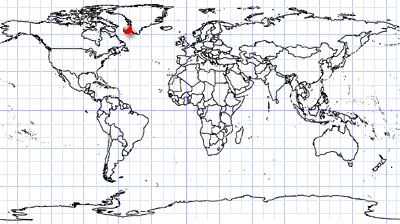
Coordinates: 63.45°N, 51.45°W | MGRS: 22VDR 77 35
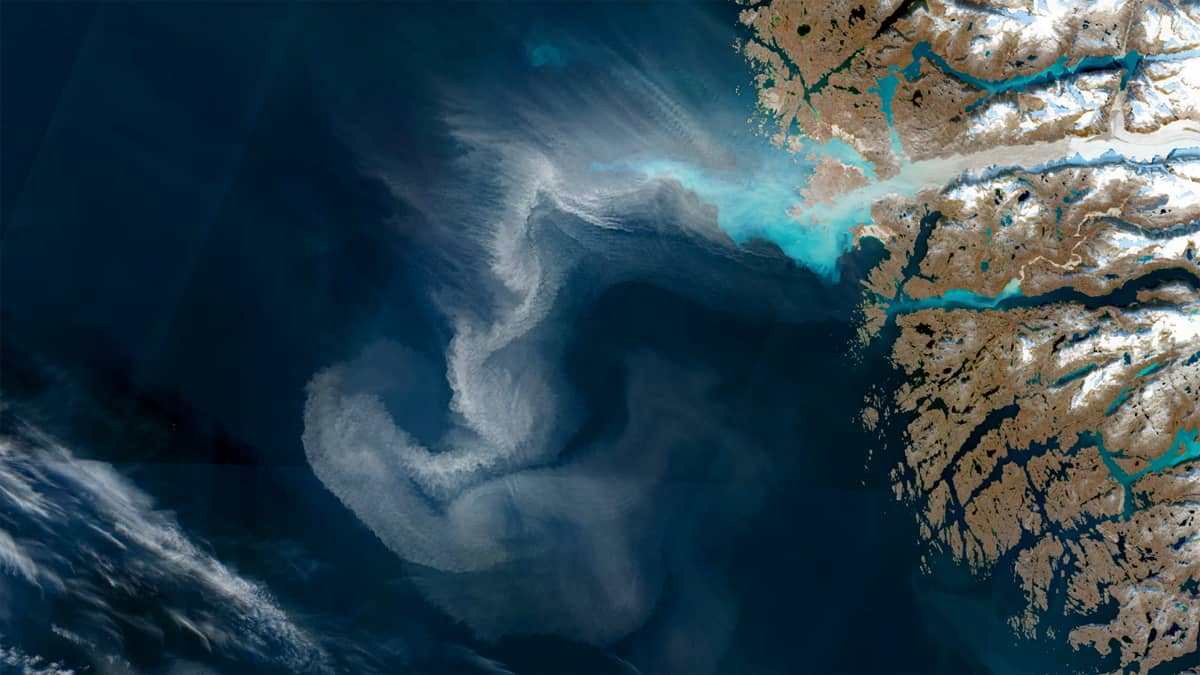
On 1 October 2026, an unusual cloud formation was observed off the west coast of Greenland, near the mouth of Sermilik Fjord, where it opens into the sea near Saneraata Timaa Island. In the satellite image, the cloud appears as a winding plume with pronounced bends and loops, extending from the narrow fjord outlet over the sea (Figure 1).
Some meteorological data:
* The ice-free fjord is approximately 35 km long.
* The cloud formation was observed between approximately 12:00 and 17:00.
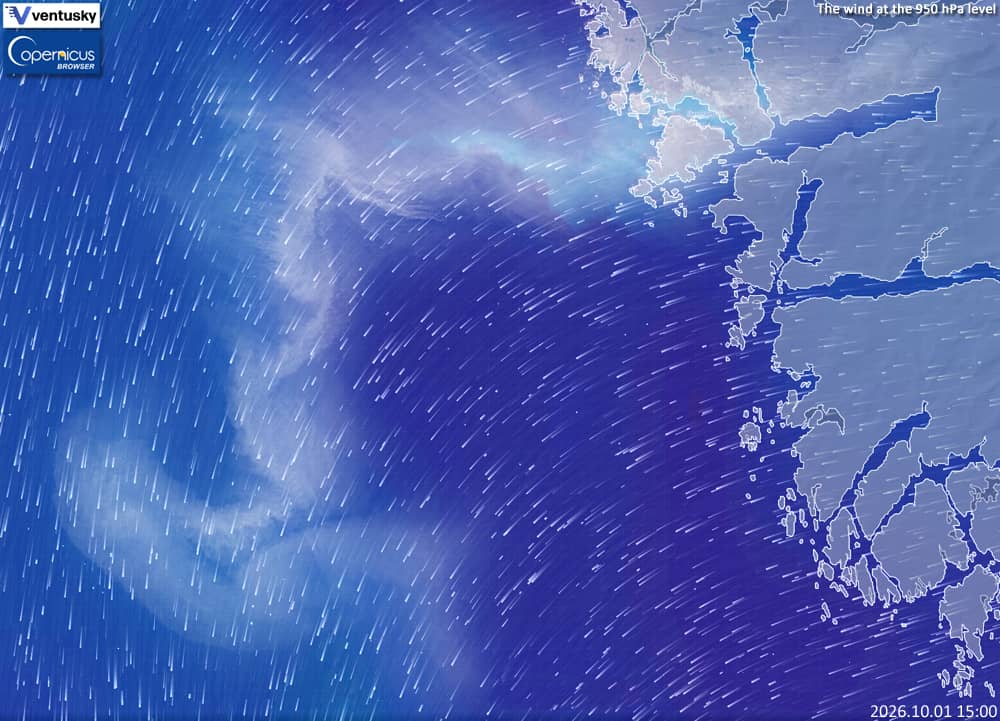
* Its shape corresponds well with the wind pattern at the 950 hPa level.
* Surface wind speeds ranged from 7–16 km/h, reaching 13–16 km/h at an altitude of approximately 500 m (Figure 2). At 925 hPa (approximately 750 m), speeds were 7–16 km/h.
* Air temperature at approximately 500 m was 0 to −2 °C, while ocean surface temperatures were around +3 to +4 °C.
The phenomenon may be explained by katabatic winds. Air above the Greenland ice sheet cools through contact with the cold surface, becomes denser and flows downslope under gravity. Guided by the terrain and the narrow fjord, this cold air is channelled towards the southwestern outlet, where it emerges over the relatively warm ocean.
As the cold air spreads out and interacts with the warmer, moist marine air, heat and moisture transfer can lead to saturation and cloud formation. The resulting airflow may also generate wind shear and turbulence. The cloud’s winding appearance, with structures resembling vortices, could be related to instabilities in this jet-like flow and its interaction with the surrounding atmosphere.
Cloud plumes of this kind are already rare in this location. An examination of Sentinel-2 observations, considering satellite overpasses and cloud-free conditions, identified only about ten instances during the mission period in which cold air flowing out of the fjord produced a cloud plume over the sea. However, none showed a similarly winding structure. In this particular case, it even looks as though the cloud is carrying with it the trail of sediment originating from the glacial waters in the fjord.
Further reading
Fig. 1
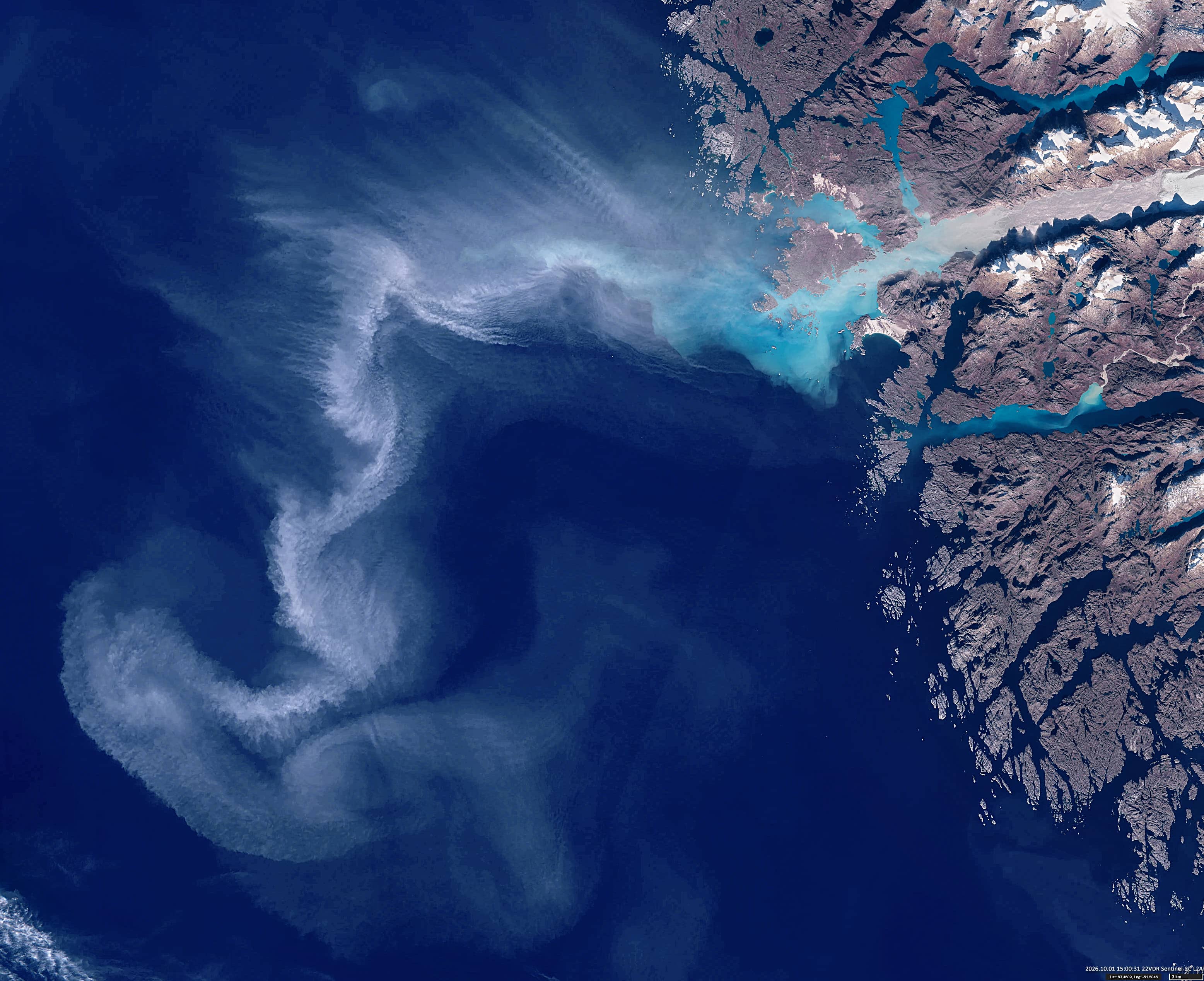
Fig. 2