
Etna Eruption
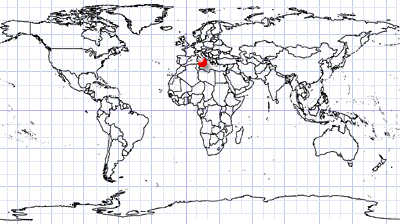
East coast of Sicily | Mediterranean Sea
Coordinates: 37.751°N, 14.996°E | MGRS: 33SVB 99 78
Mount Etna is a stratovolcano located on the east coast of Sicily. It is Italy’s largest active volcano and the highest in Europe. It is estimate that Etna has between 200 and 400 secondary craters, with eruptions occurring approximately every three months on average.
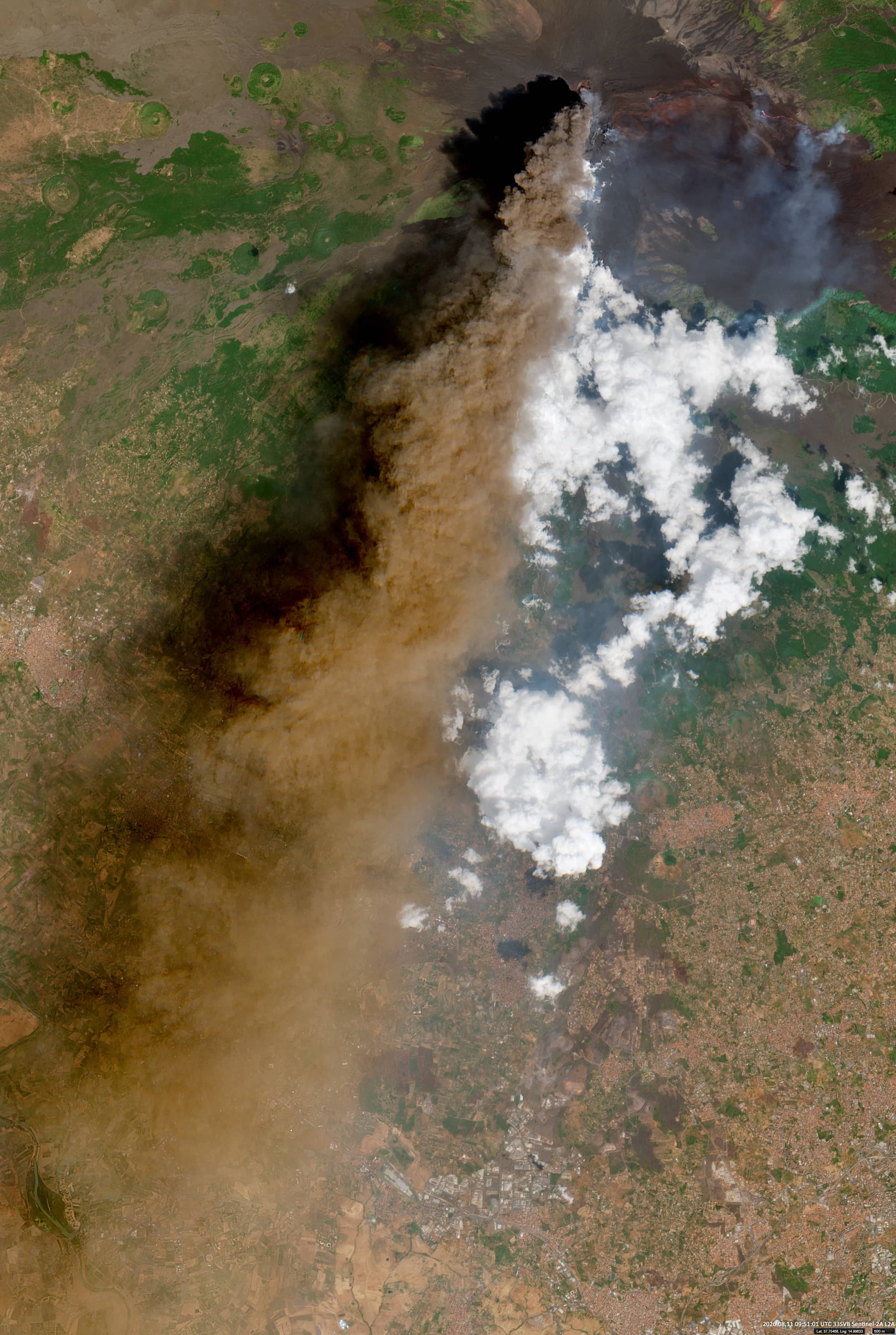
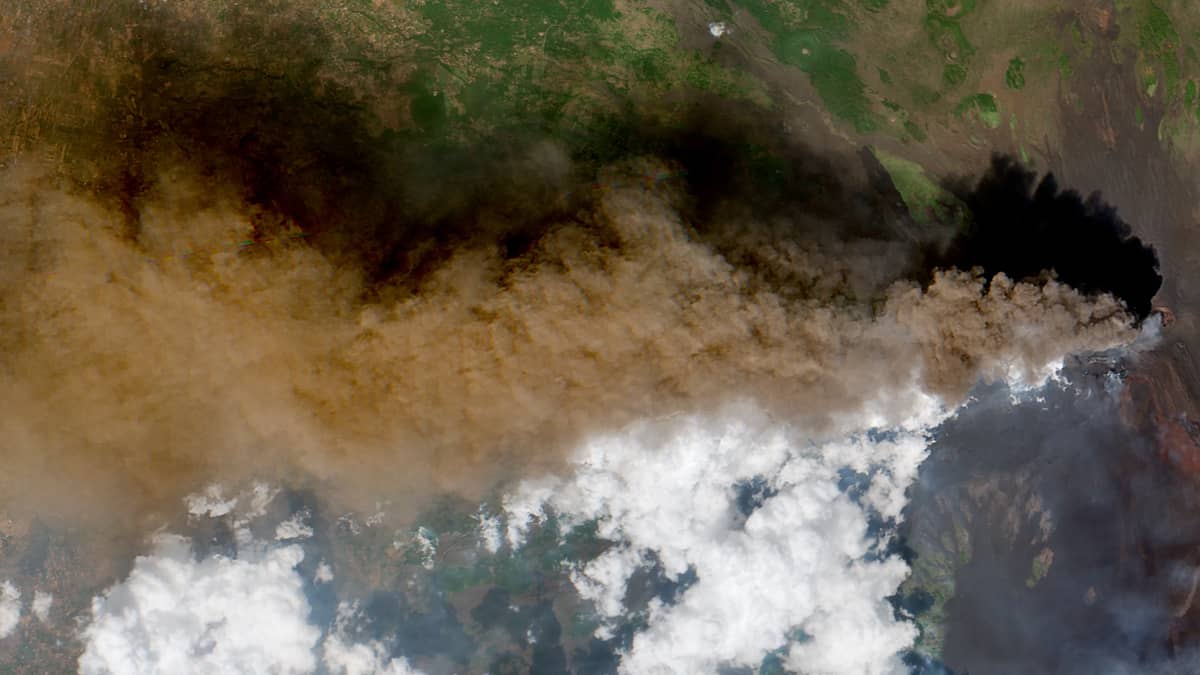
Mount Etna erupted again in August 2026, spewing large amounts of volcanic ash and glowing lava into the air.
On the evening of Thursday 6 August, the volcano entered its most intense eruptive phase of the year. A powerful lava fountain erupted from the Voragine crater and subsequently developed into an effusive flank eruption, which continued with varying intensity until almost the end of the month.
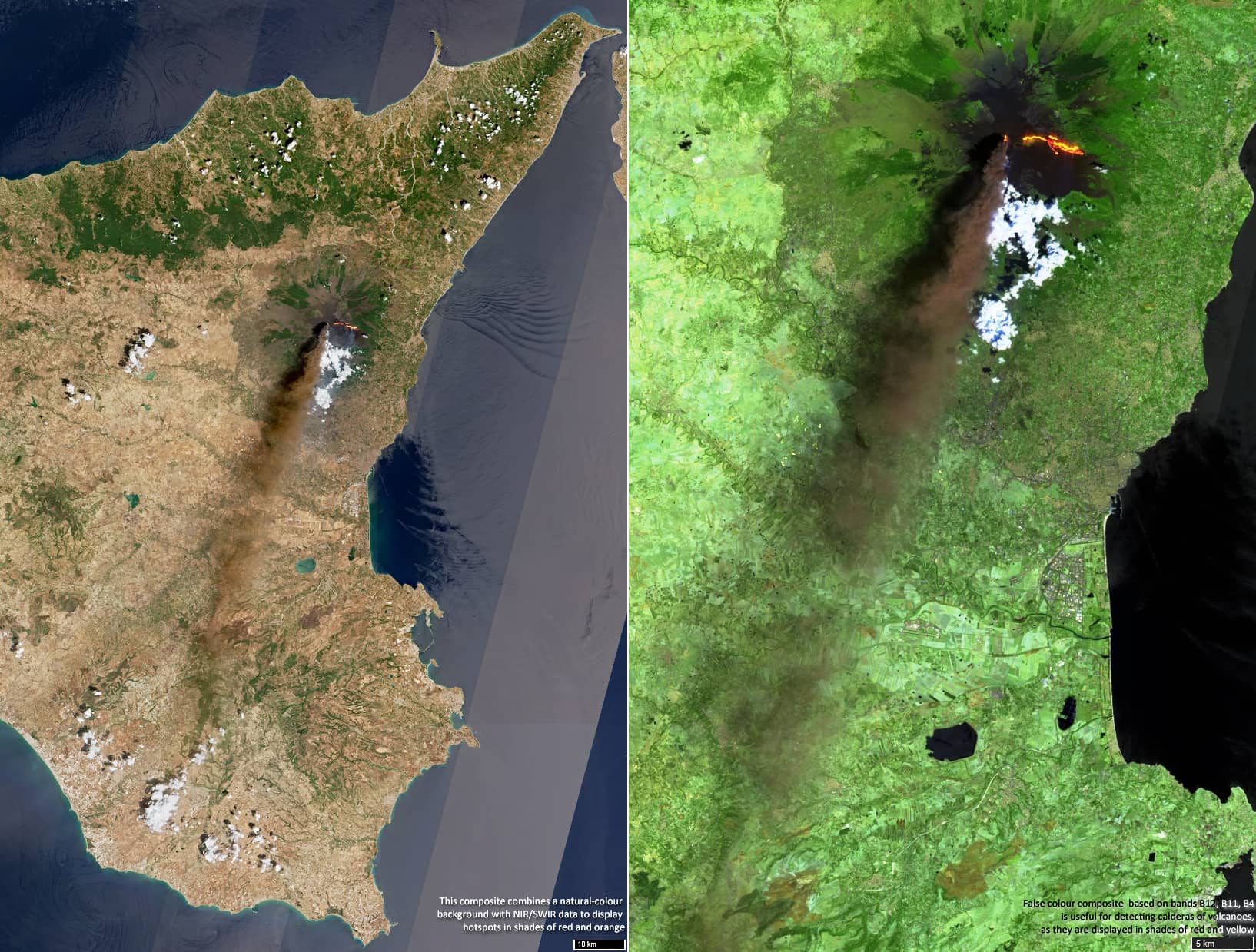
A Sentinel-2 image acquired on August 11 (Figure 1) shows a phase of relatively intense eruptive activity. Additionally, false-colour composites derived from Sentinel-2 shortwave infrared (SWIR) bands are presented (Figure 2). These composites highlight areas of thermal anomaly associated with volcanic activity and indicate the locations of active or recently formed lava flows.
Further reading
Ätna Update (03.07. – 04.09.2026) (Vulkan-Etna-update.de)
Latest Etna Eruptions 2026 (Etna North)
Volcanic Activity Report on Etna (Smithsonian Institution)
Mount Etna back to activity (BC Earth Gallery, 2025)
Etna volcano eruptions (BC Earth Gallery, 2021)